Datazip / OLake · 01
Building a developer audience from zero
Context / problem
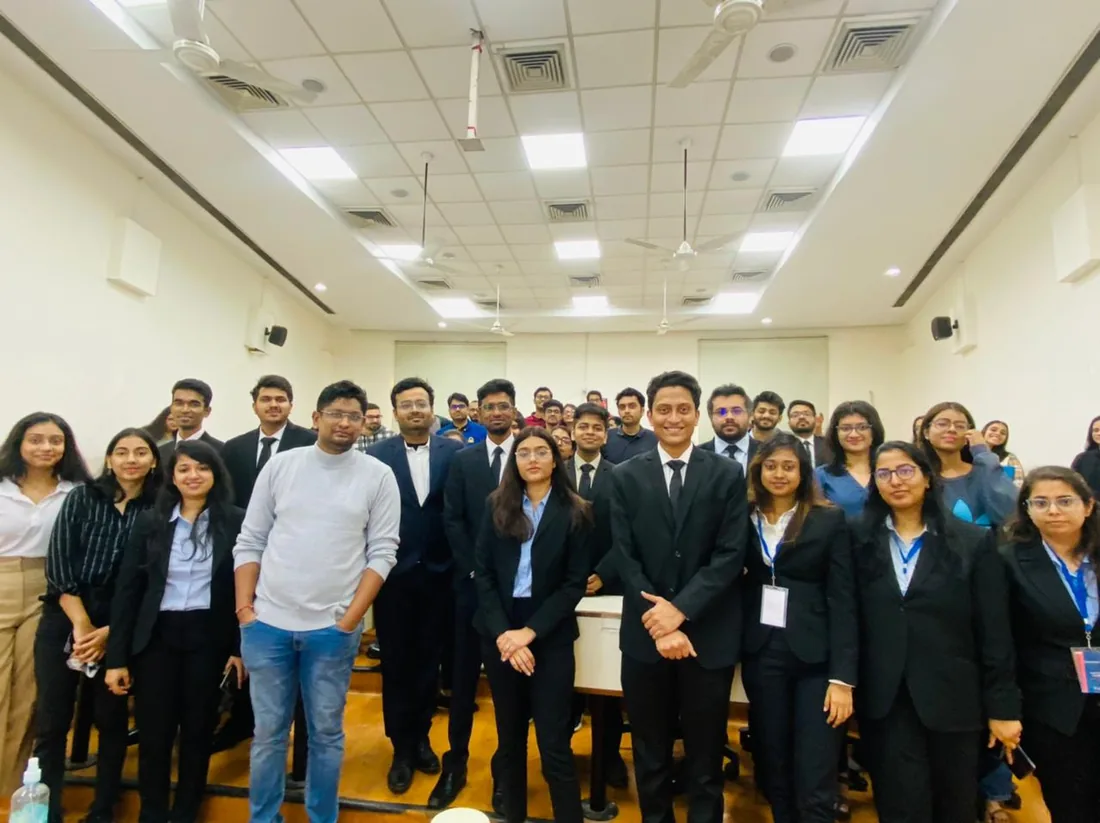
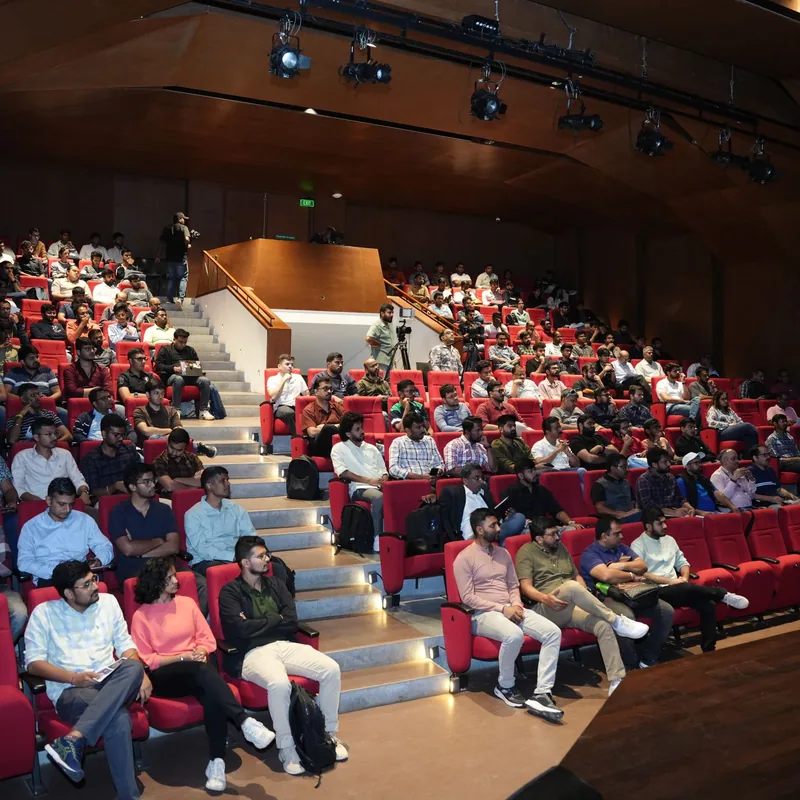
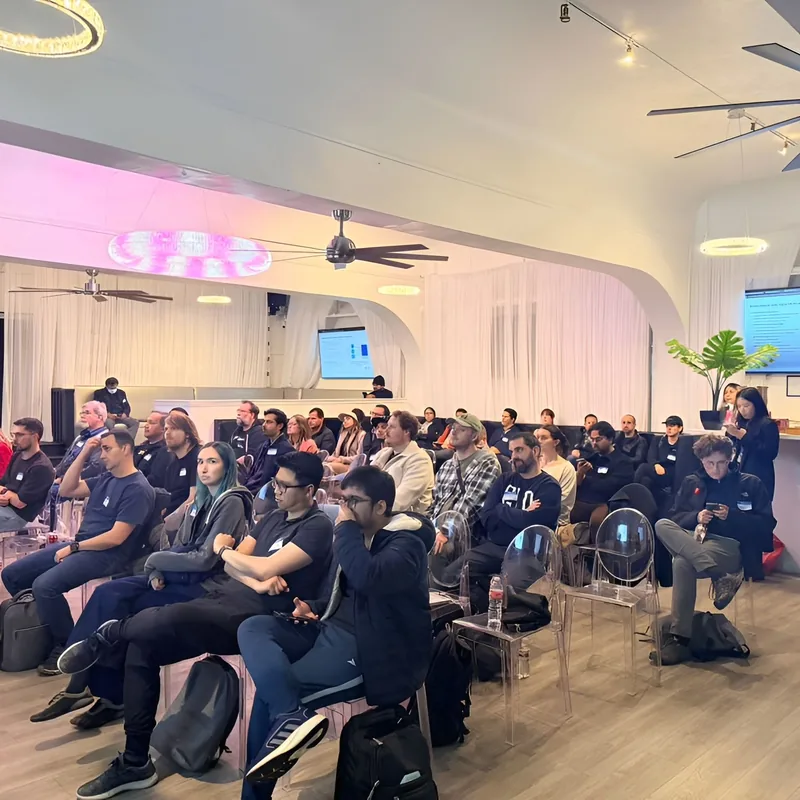
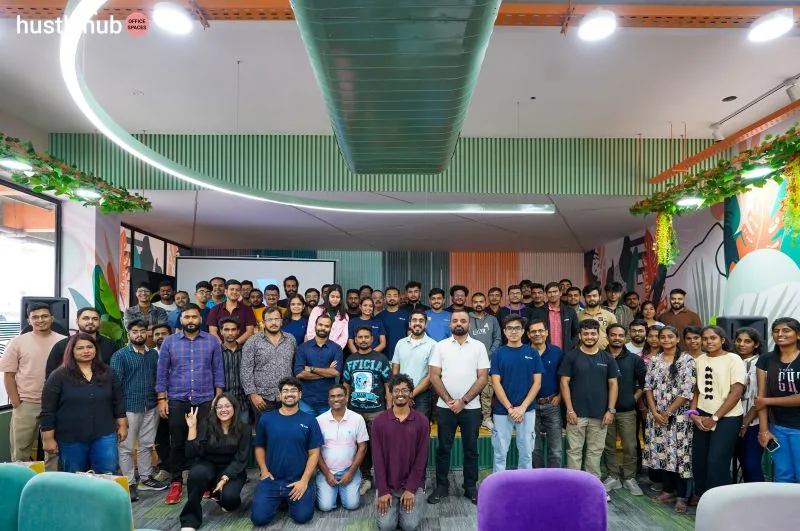
When I joined, there was no real developer community, and the existing events had no clearly defined audience.
Customer and sales conversations clarified the ICP: data engineers, data leaders and CTOs at mid-market and enterprise companies operating petabyte-scale systems. They did not need generic developer content. They needed useful conversations with practitioners solving the same problems.
Strategic choice
I chose depth over broad reach. The early programming focused on technical questions developers already cared about, with practitioners who could speak from experience.
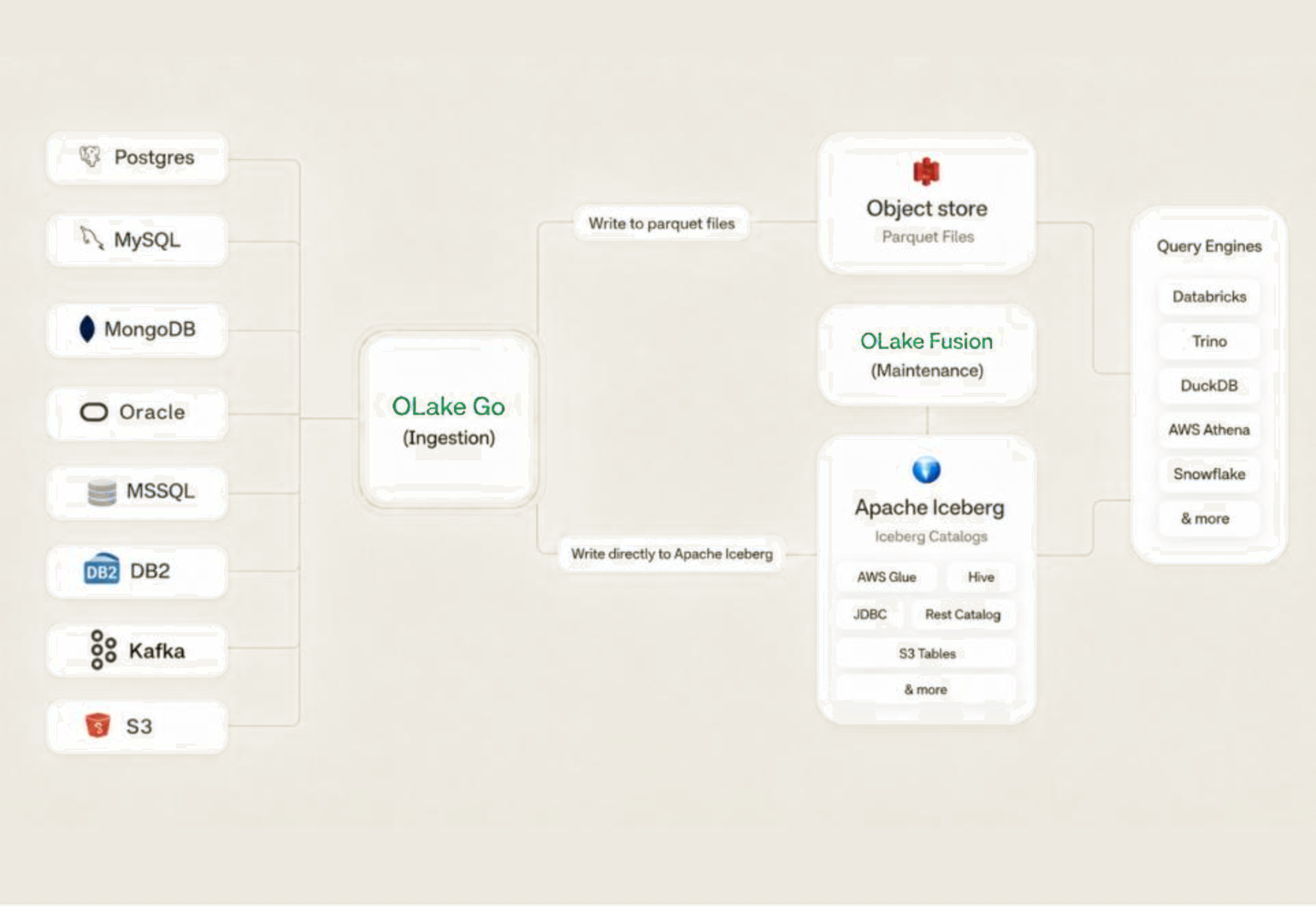
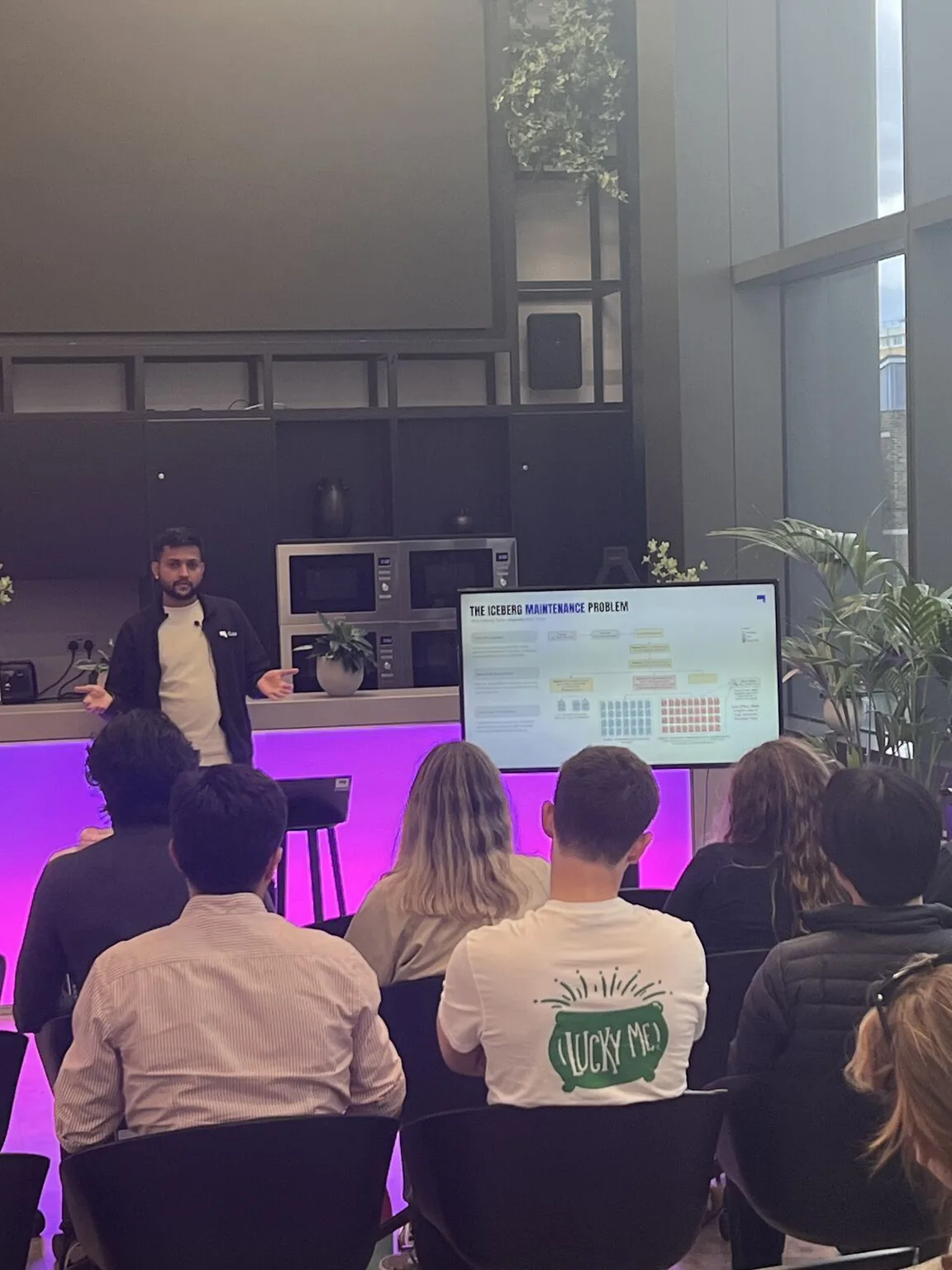
Webinars, events and open-source content gave OLake repeated ways to enter the same conversations. Each one brought new developers in, gave existing participants a reason to return and created material others could share.
My contribution
I designed the system end to end: timely data-engineering topics, hands-on speakers, controlled access and repeatable distribution.
LinkedIn drove reach. Luma and Meetup supported discovery and registration. YouTube extended each session. Slack became the owned layer where POCs, customers and open-source contributors could keep learning from one another.
The loop compounded: conversations shaped the programming, practitioners made it credible, and every event produced content and relationships that fed the next one.
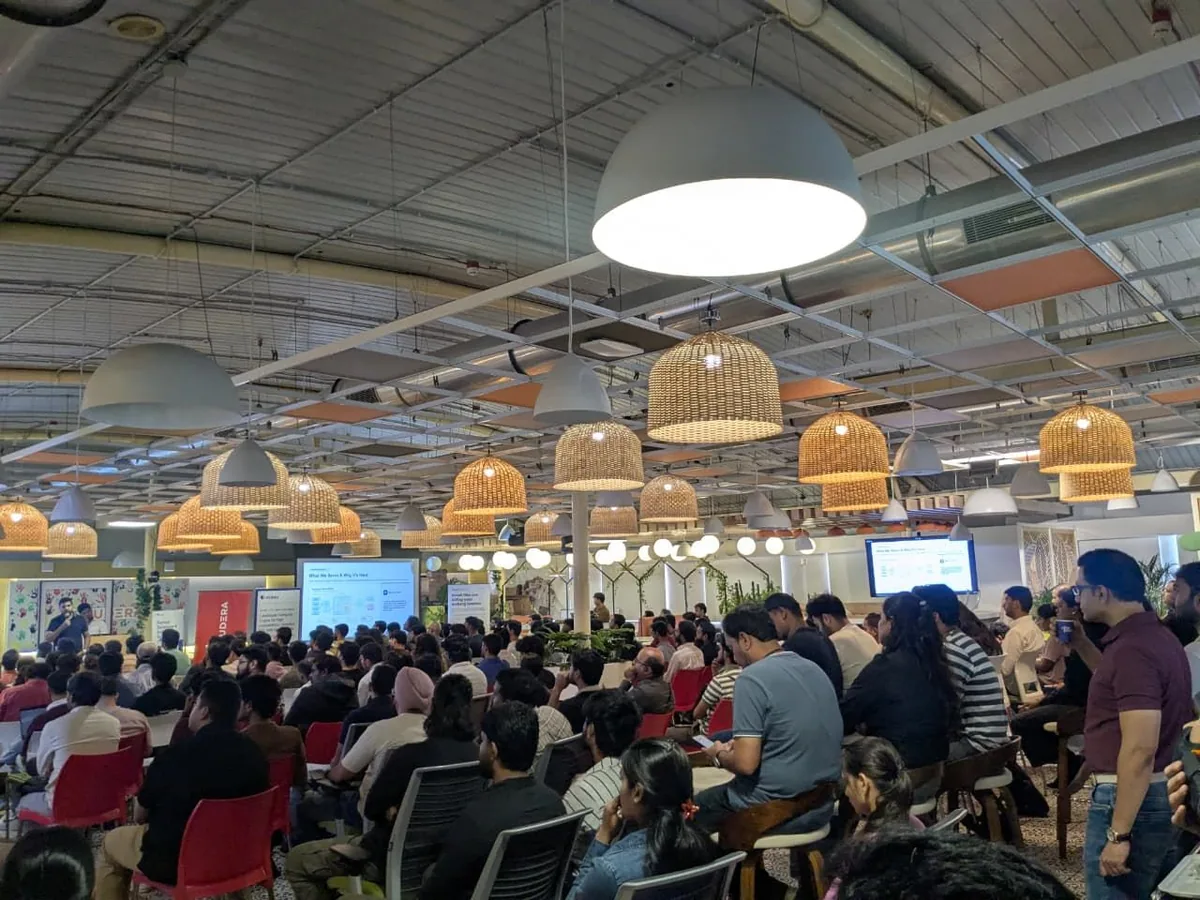
Evidence / results
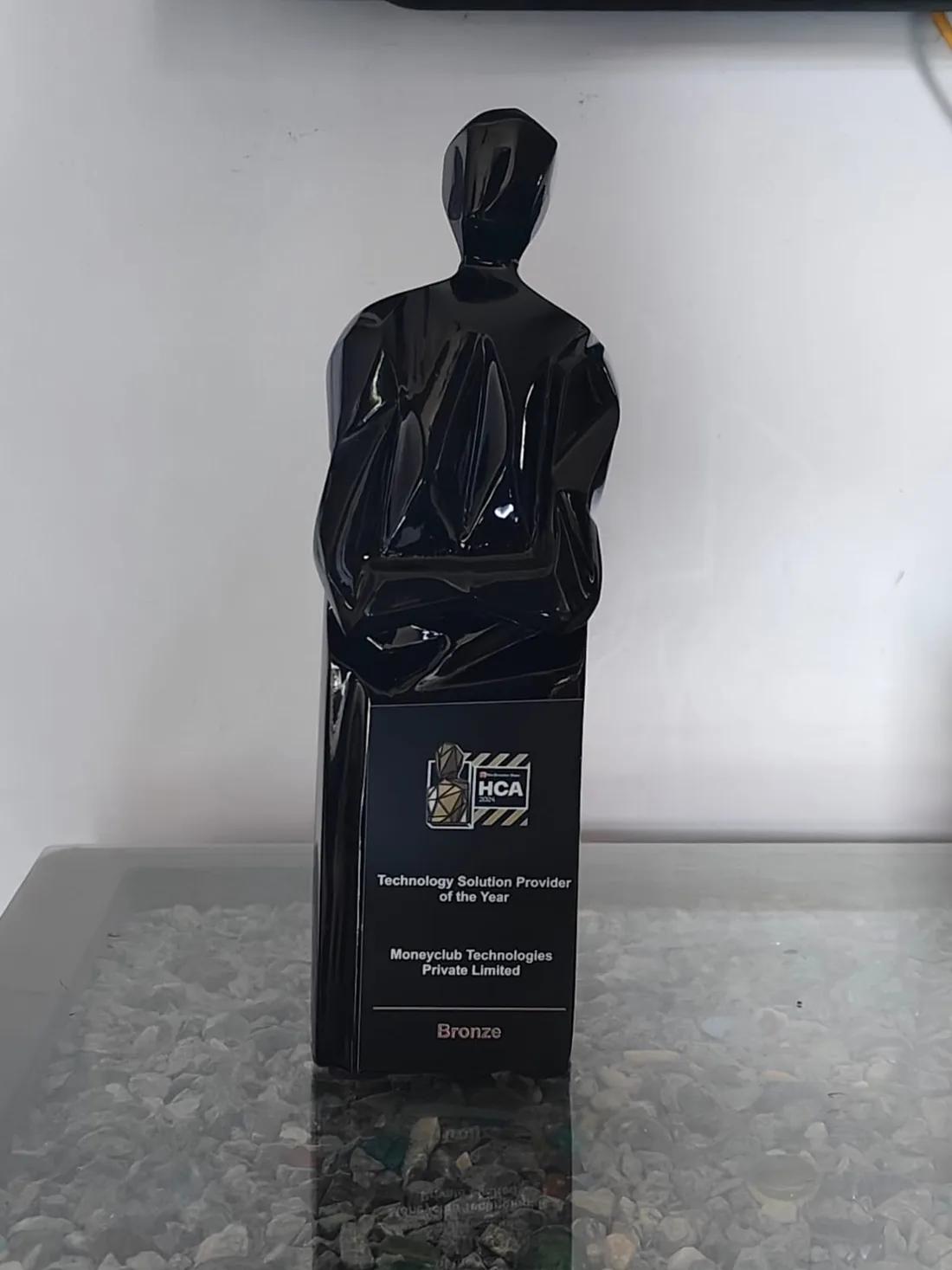
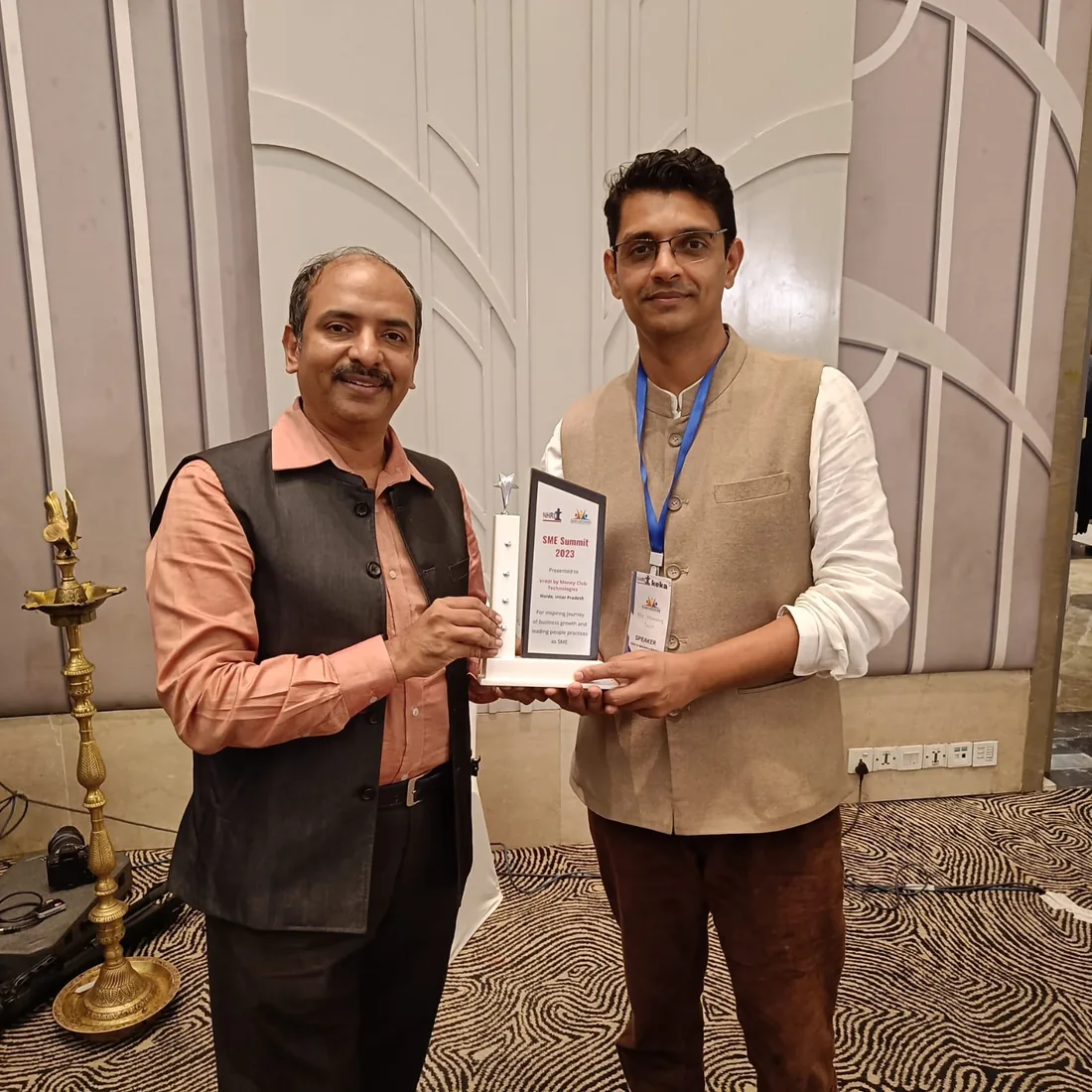
Some attendees later became design partners, connecting the audience engine back to product learning and adoption.
Why it mattered
The audience became a distribution system. Technical programming brought developers in, repeated participation built familiarity, and each conversation created feedback, credibility and material for the next.